Monastery of Krehiv, Zhovkva
About us
- Zhovkva, Zhovkivskyj r-n, s. Krehiv
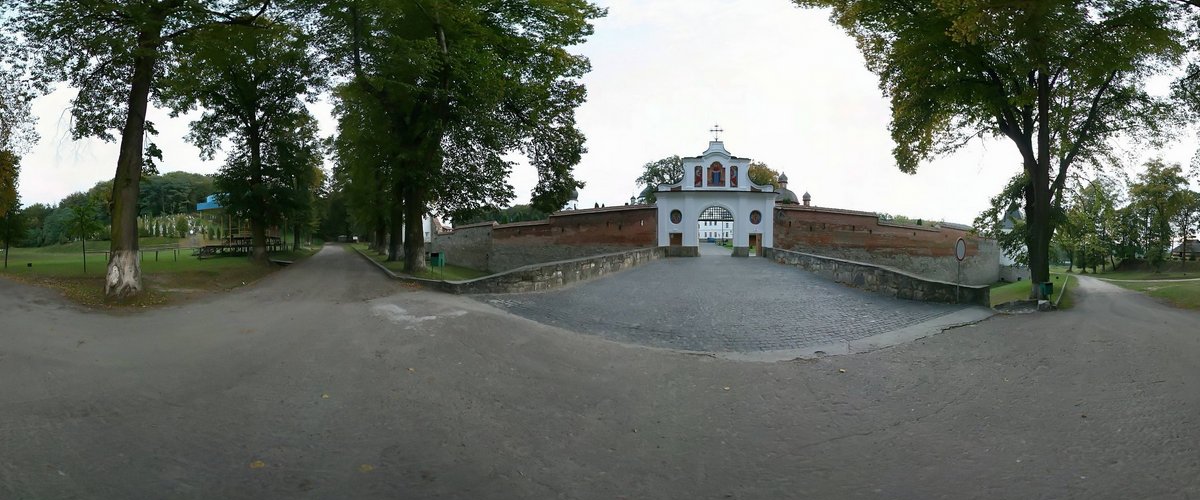
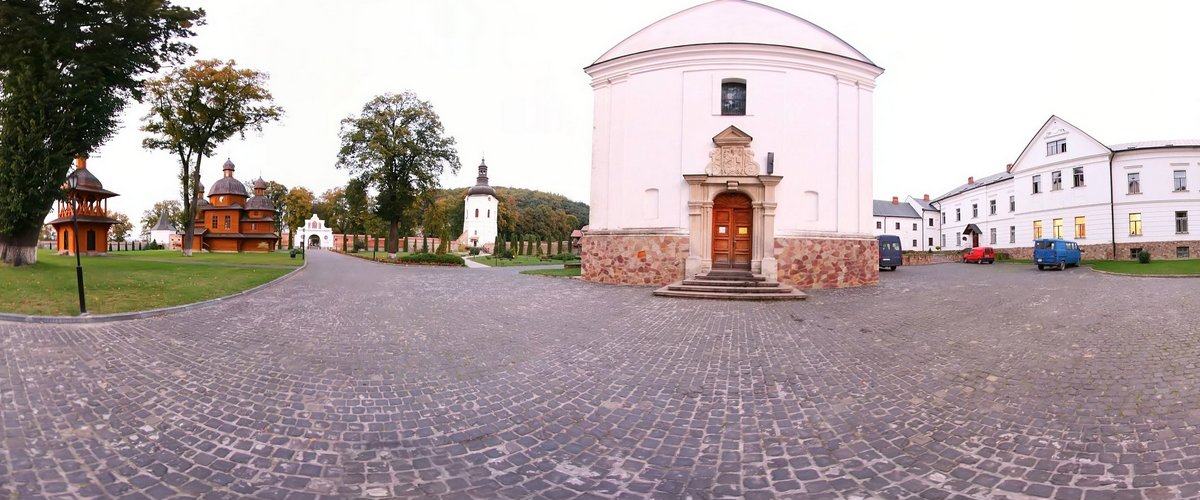
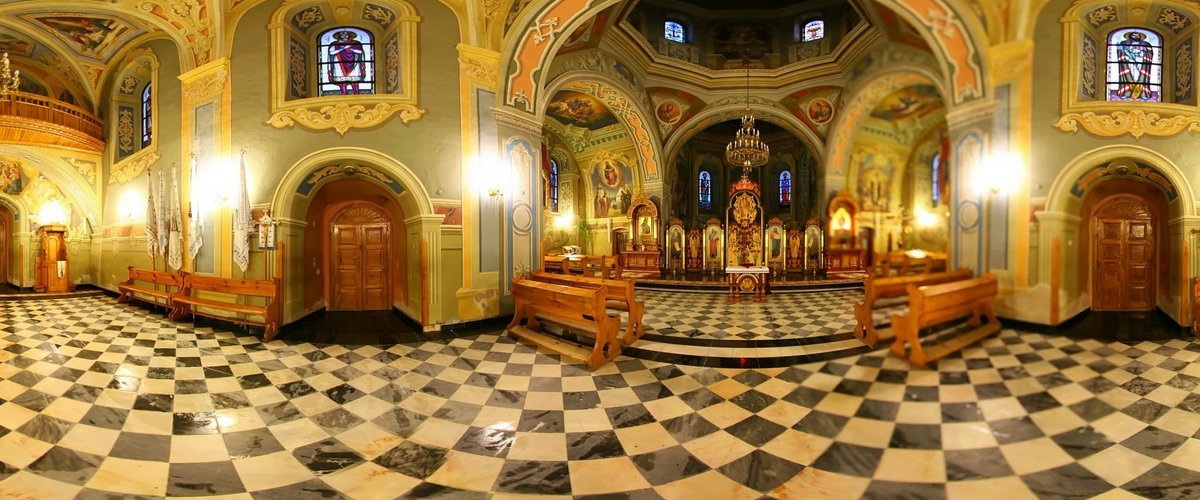
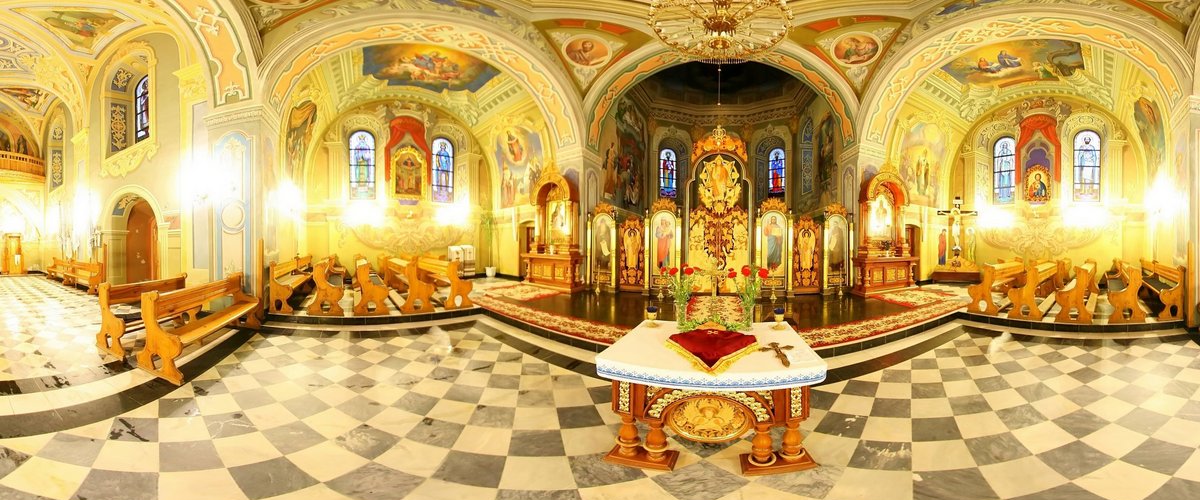
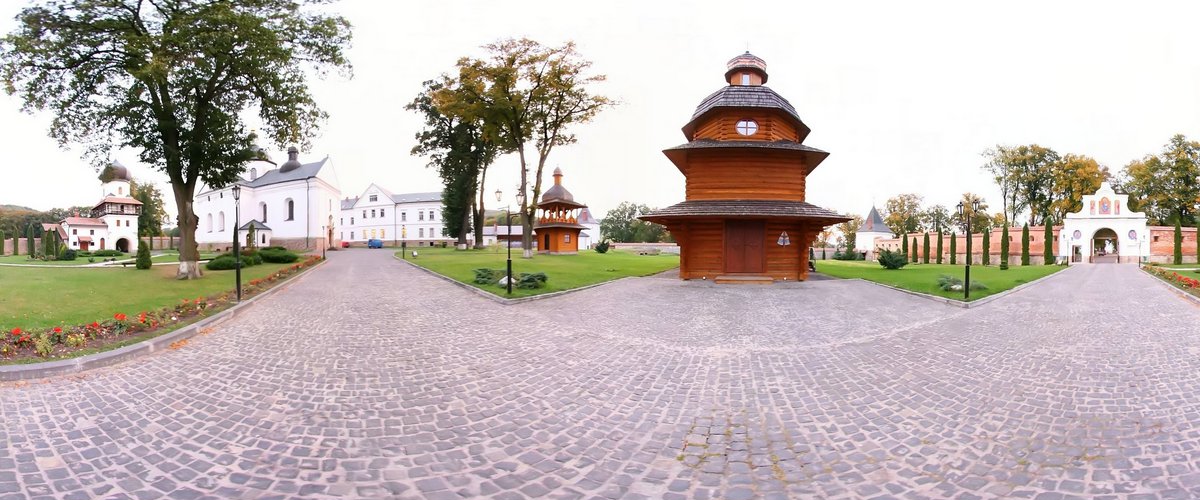
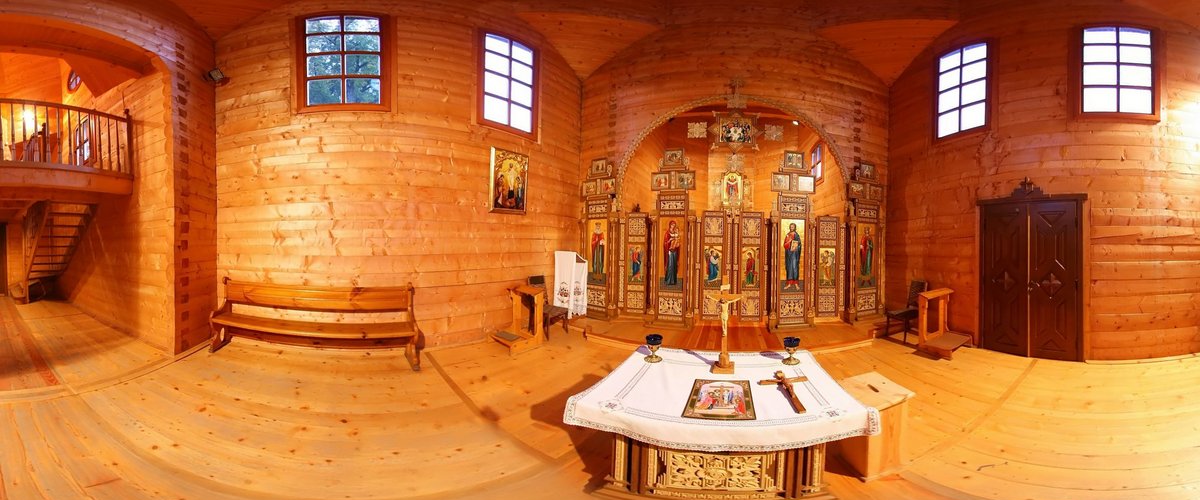
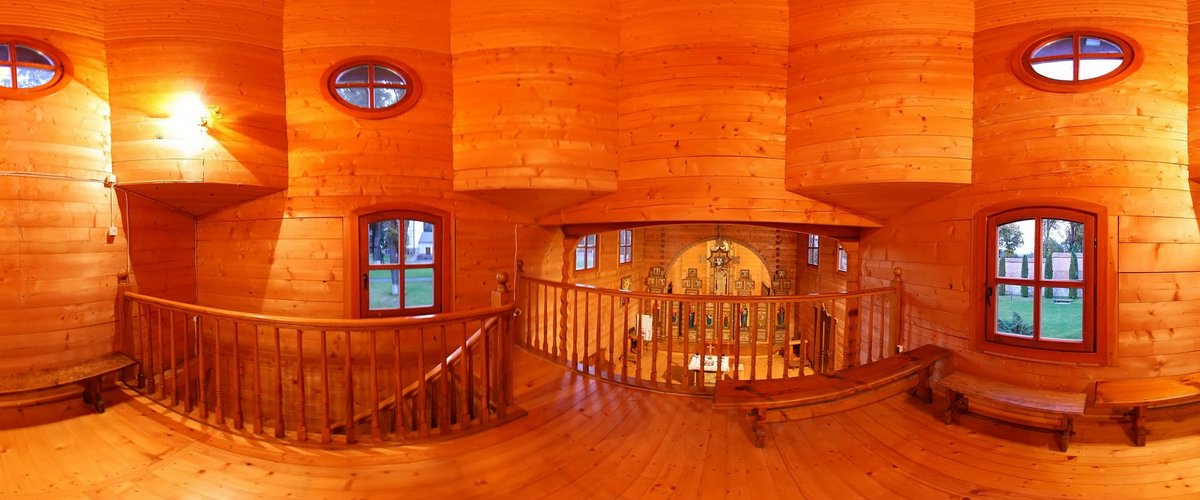
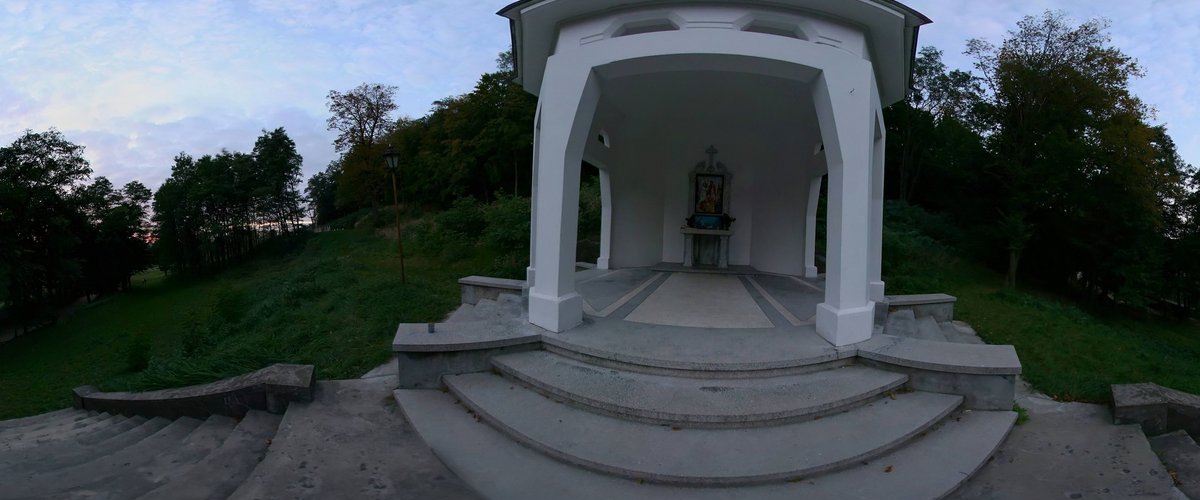
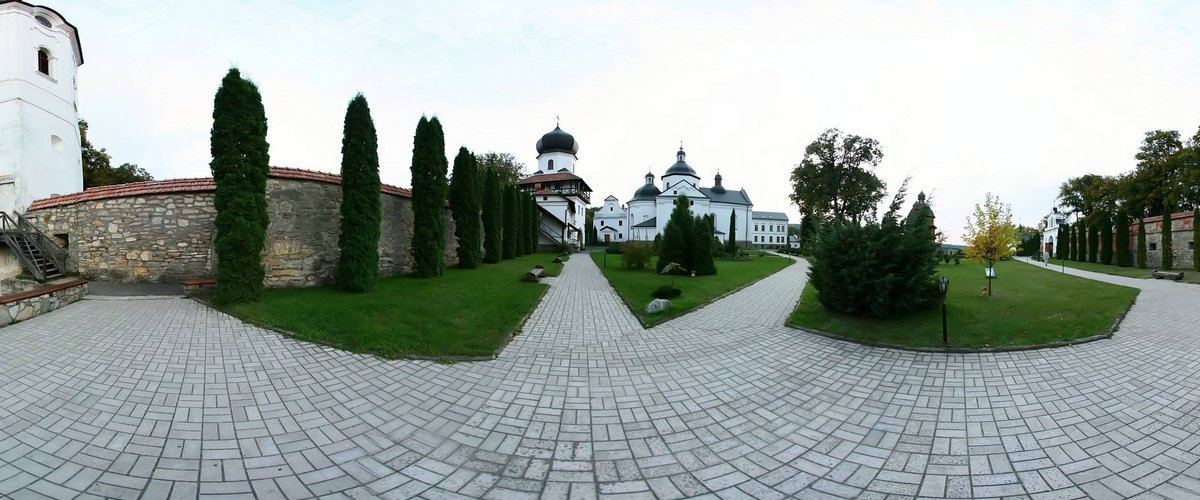
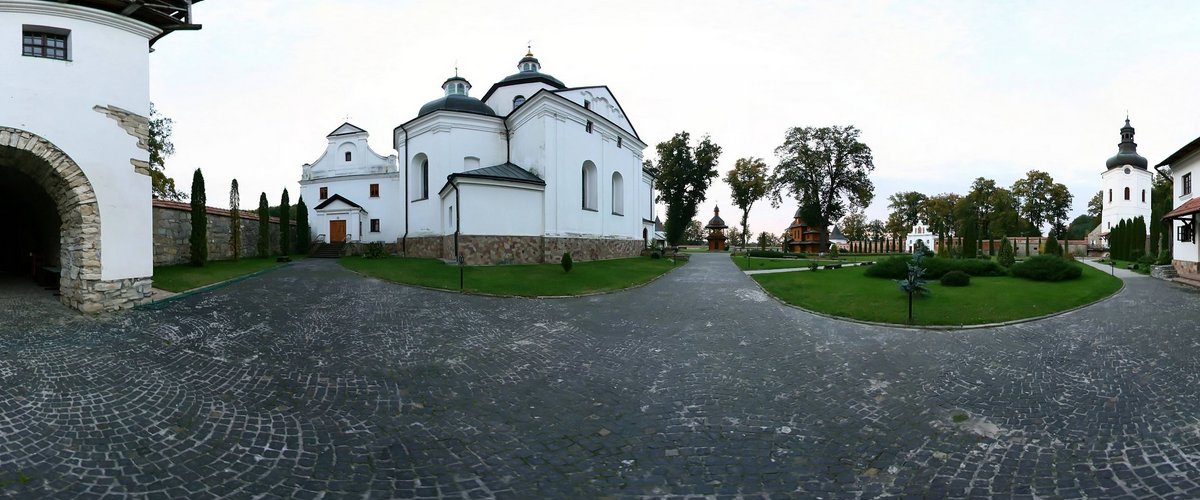
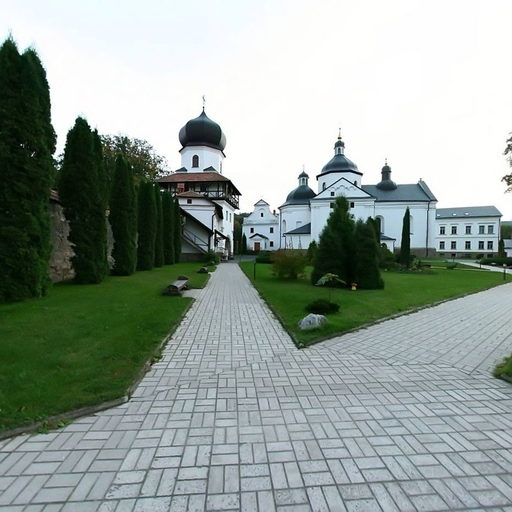
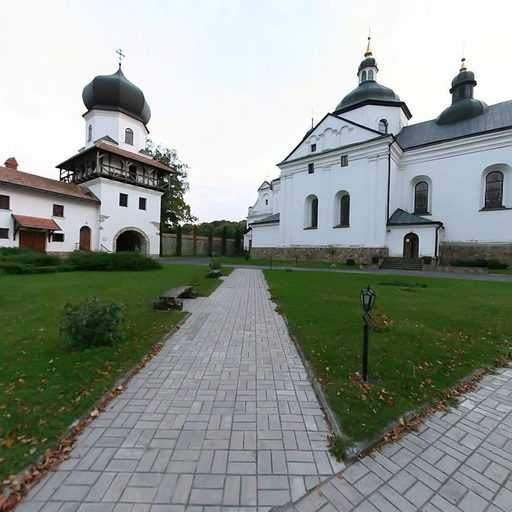
The Krehiv Monastery in the Zhovkva area: 3D photos, history and description
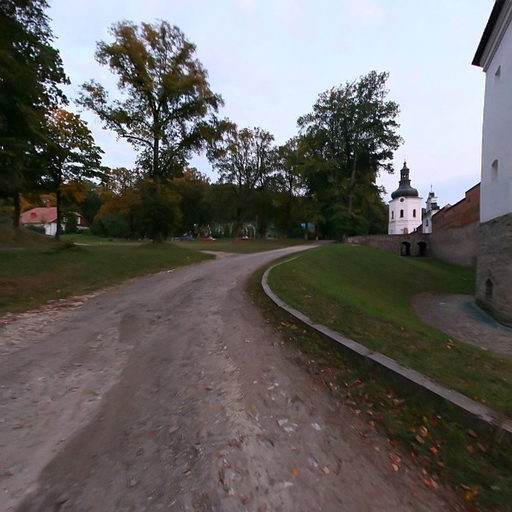
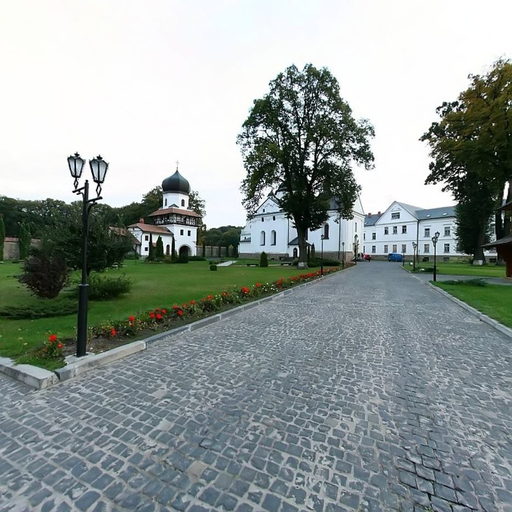
In the 16th century, not far from Zhovkva (25 km from Lviv), the monks Joel and Sylvester came from beyond the mountain and founded a cave church. At the beginning of the 17th century Stanisław Żółkiewski gave permission to build a monastery. At first the Krehiv Monastery was wooden; then, having grown rich, the monks brought water from a spring through pipes and built defensive walls, with the charter granting permission issued by King Korybut Wiśniowiecki himself.
In the 17th century came the war with Turkey, and Tatar detachments, allied with the Turks, scoured the whole district. They found the monastery. The khan’s nephew Selim Giray was with the Tatars, and one of the monks defending the monastery killed him. Selim Giray, in rage: «Destroy the monks!» But Doroshenko intervened for them. The monastery paid a contribution and the enemy army withdrew. The contribution was large: even the bells were taken down from the churches of the monastery. But the monks lived, and like ants they again built up their wealth.
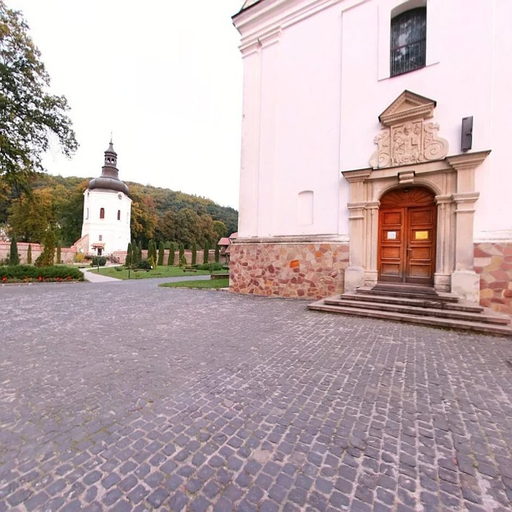
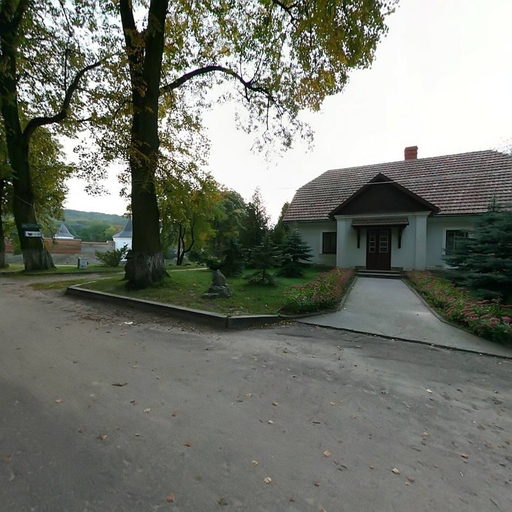
In the 18th century a stone tower with a clock, a new bridge and a new gate were built. Stone churches were built. The 20th century brought new troubles. The monks of the Krehiv Monastery were oppressed by the Polish authorities, since the monastery is Greek Catholic, of the Basilian fathers, that is, Ukrainian. Ancient books (the oldest dates from 1493) and chronicles of the 12th–14th centuries were taken away, and later returned, though not all of them. The Soviet authorities closed the monastery and a school for disabled children was housed in its buildings. In the 1990s the monastery of St. Nicholas in Krehiv was opened again. It holds two wonder-working icons, of St. Nicholas and of the Mother of God of Verkhrada. Both icons had been kept in Lviv churches and have now been solemnly transferred to the monastery.
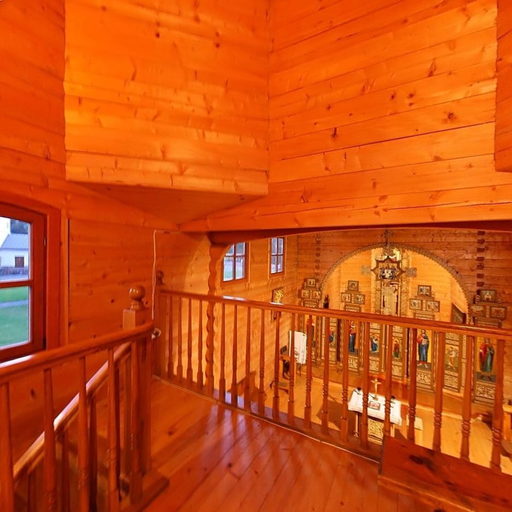
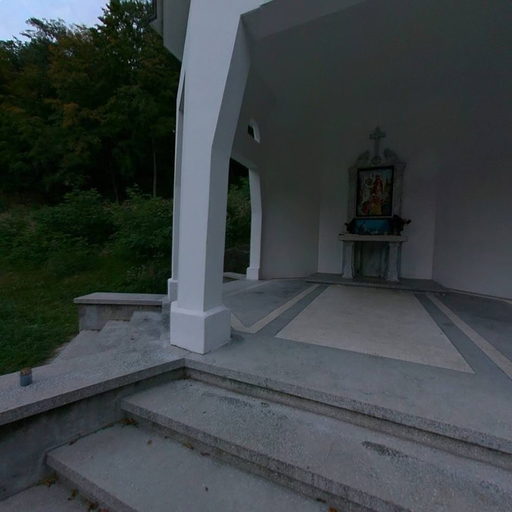
In the forest behind the Krehiv Monastery there is a holy spring, to which pilgrims and guests go for clean water. On the hill there too the first cave church and cells have survived. It is quiet and peaceful there, and one can pray about the innermost things in the ancient cave church…
3D-Tour